
Why the photo matters more than the rest of the page
Every family we have watched go through this spends an hour on the wording and two minutes on the photograph. It is the wrong way round. The photo is the first thing a person looks at, it is what they remember afterwards, and it is what gets described down the phone to a relative who has not seen the biodata yet.
You do not need a studio and you do not need new clothes. You need one clear picture of your face in good light. That is genuinely the whole requirement.
What a good biodata photo has
Look at any biodata that feels well made and the photograph will have most of these. None of them cost anything.
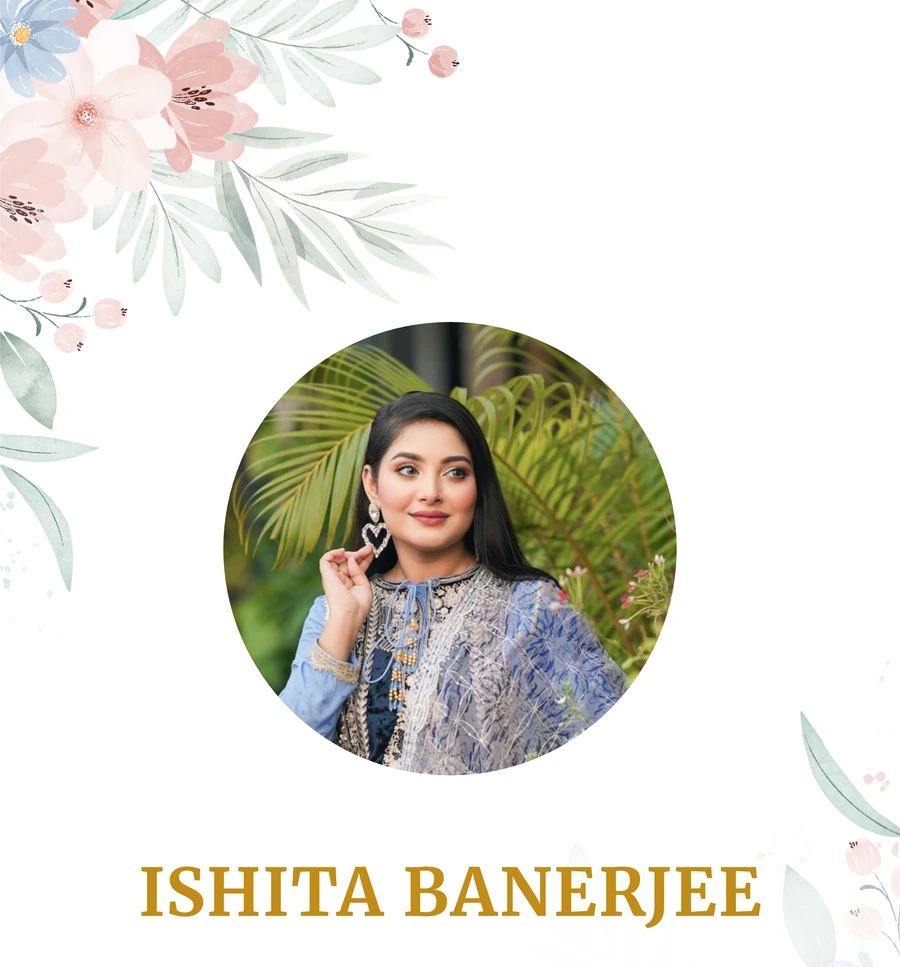
- Daylight, facing you. Stand near a window, not with your back to it.
- Head and shoulders, not full length. Your face should fill a good part of the frame.
- A plain background — a wall, a curtain, a door. Anything that is not doing something interesting.
- Looking at the camera, with the expression you would use to greet somebody at the door.
- Recent. Within a year, ideally. Families do notice.
- Taken in portrait, not landscape, so nothing important gets cut when it is cropped square.
What to avoid, and why
Group photos are the commonest mistake. A picture cropped out of a wedding party never quite works — the light is wrong, half a shoulder belongs to somebody else, and it is obvious. Take a new one instead; it takes two minutes.
Heavy filters are the second. A picture that does not look like you is a bad start to a conversation that is meant to end in a meeting.
Sunglasses, caps, a phone visible in a mirror, a busy room behind you — all of these give someone a reason to look at something other than your face.
Should the photo be formal?
It should look like you on a good day. For most people that means neat clothes you actually wear, hair as you normally have it, and no posing. Traditional clothes are common and completely fine; so is a plain shirt or kurta.
One thing worth knowing: your biodata will be printed. Very dark clothes against a very dark background lose all their detail on a home printer or at a copy shop. A little contrast between you and the wall behind you goes a long way.
One photo or several?
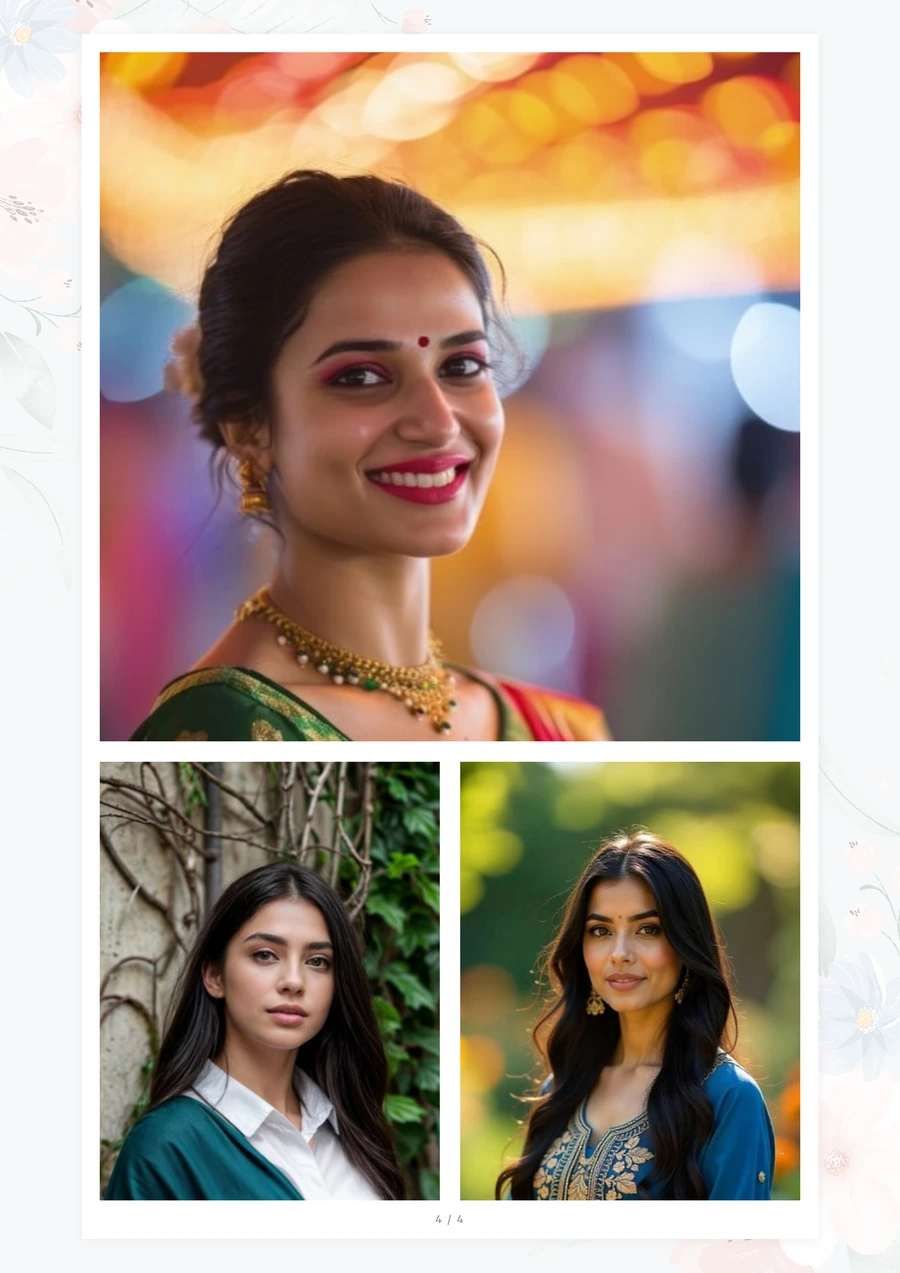
One, on the front. A biodata is an introduction, not an album — and a page with four photographs on it reads as trying too hard. Keep a couple more on your phone for when someone asks, because someone usually does.
Related articles
Rashi, Nakshatra and Gotra in a Marriage Biodata
Four rows some families ask for before anything else, and others never mention. What each one is, and how to decide whether yours belongs on the page.
Read moreMarriage Biodata Dos and Don'ts: What Families Notice First
The format guide covers what goes in each section. This covers how to write it so it reads well — and the handful of mistakes that come up again and again.
Read moreThe First Meeting: What to Talk About
The biodata did its job and a meeting is arranged. Here is what people actually talk about in that first half hour, and the questions worth asking early.
Read moreMarriage Biodata for a Boy and for a Girl
Two different searches, two sets of templates, and one document. What genuinely differs between a boy's biodata and a girl's — and what does not.
Read more